
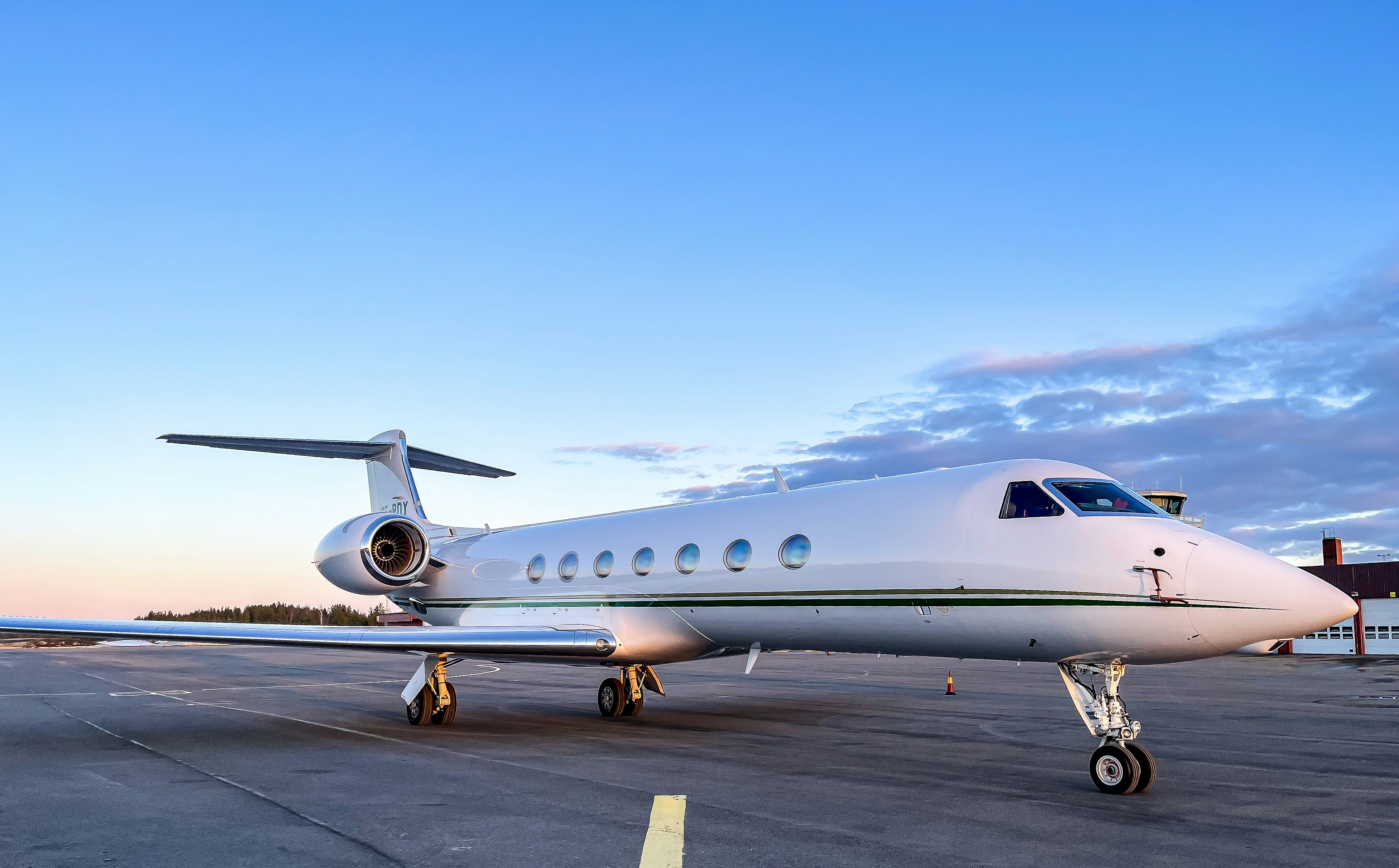
In recent years, the aviation business has witnessed a significant transformation with the rise of personal jets, also referred to as enterprise jets or private jets. These aircraft have transitioned from being a luxurious for the elite to becoming a sensible answer for each business and leisure journey. This case research explores the components contributing to the rising reputation of non-public jets, their influence on the aviation market, and the future of private aviation.
Historic Context
The idea of personal jets dates again to the mid-20th century when the primary business jets have been launched. The de Havilland Canada DHC-2 Beaver and the Lockheed JetStar have been among the early fashions that catered to affluent individuals and companies. Nonetheless, it wasn’t till the 1980s and 1990s that the market began to expand significantly. The introduction of more affordable and environment friendly fashions, such as the Learjet and Gulfstream sequence, made private jets accessible to a broader audience.
Factors Driving Popularity
- Time Effectivity: One in all the first reasons individuals and firms spend money on personal jets is the time financial savings related to private air travel. With the flexibility to bypass industrial airport safety strains and fly directly to smaller regional airports, passengers can significantly reduce their journey time. This effectivity is especially beneficial for enterprise executives who must attend multiple conferences in several places within a single day.
- Flexibility and Convenience: Private jets provide unparalleled flexibility in scheduling flights. In contrast to business airways, which operate on mounted schedules, private jet house owners can depart and arrive at their comfort. This flexibility allows for spontaneous travel plans and the power to regulate itineraries on short discover, making it a lovely choice for busy professionals.
- Privacy and Consolation: For a lot of, the allure of non-public jets lies within the privacy they offer. High-profile people, including celebrities and executives, often desire to travel privately to avoid the prying eyes of the general public and media. Additionally, private jets are designed with luxurious and comfort in thoughts, that includes spacious cabins, gourmet catering, and personalised service.
- Technological Developments: The aviation business has seen important advancements in technology over the past few a long time, resulting in the event of extra environment friendly and environmentally pleasant aircraft. Newer models boast improved gas efficiency, longer ranges, and enhanced security options, making them a more engaging investment for potential consumers.
- Fractional Possession and Jet Cards: The emergence of fractional possession packages and jet card services has made private jets extra accessible to those that may not want to decide to purchasing a whole aircraft. Fractional possession permits people to purchase a share of a jet, giving them access to private journey without the total monetary burden. Jet cards supply a pay-as-you-go model, allowing customers to e book flights on demand.
Market Impact
The rise of private jets has had a profound impact on the aviation market. In line with the Nationwide Business Aviation Association (NBAA), the business aviation trade contributes approximately $150 billion to the U.S. financial system annually. The demand for personal jets has led to elevated production rates, with manufacturers like Bombardier, Gulfstream, and Cessna ramping up their output to satisfy the rising needs of consumers.
Moreover, the personal jet market has stimulated the development of ancillary providers, together with upkeep, charter services, and aviation administration corporations. These companies have flourished alongside the rising number of private jets, creating jobs and driving economic growth in various areas.
Environmental Issues
Regardless of the advantages of private jets, there are rising concerns about their environmental influence. Critics argue that private aviation contributes to carbon emissions and local weather change, particularly as the world grapples with the need for sustainable practices. In response, manufacturers are investing in greener applied sciences, similar to electric and hybrid propulsion methods, to scale back the carbon footprint of non-public jets.
Additionally, some companies are exploring different fuels and carbon offset packages to mitigate the environmental affect of their operations. As customers turn into more environmentally conscious, the demand for sustainable aviation solutions is probably going to increase.
The long run of non-public Aviation
The long run of personal jets seems promising, with a number of developments shaping the business. Firstly, the demand for private air travel is predicted to proceed rising, driven by the growing number of high-web-value people and the globalization of business. Rising markets in Asia and the Center East are additionally contributing to the enlargement of the personal jet market.
Secondly, the integration of superior technologies, reminiscent of synthetic intelligence and automation, is about to revolutionize the way private jets are operated and maintained. These innovations might lead to enhanced safety, effectivity, and person expertise within the aviation sector.
Lastly, the trade is more likely to see a shift towards extra sustainable practices, with a give attention to lowering environmental impression. In case you have just about any issues regarding where by along with how you can use private jets charter (https://privatejetcardreview.com/), you’ll be able to email us in the site. As public consciousness of climate change grows, personal jet manufacturers and operators might want to adapt to fulfill the calls for of eco-conscious customers.
Conclusion
The rise of personal jets represents a big shift within the aviation industry, pushed by a mix of time efficiency, flexibility, privacy, and technological advancements. Whereas the market continues to expand, it faces challenges associated to environmental sustainability. Because the industry evolves, the future of personal aviation will rely on its skill to adapt to changing shopper preferences and societal expectations. The personal jet market is poised for progress, and its impression on the aviation industry will probably be felt for years to come.