
Among the organized chaos of medical professionals in Birmingham, a young man named James Stokes carries himself with the measured poise of someone who has found his place. His smart shoes whisper against the floor as he acknowledges colleagues—some by name, others with the familiar currency of a “good morning.”
James displays his credentials not merely as a security requirement but as a declaration of acceptance. It rests against a neatly presented outfit that betrays nothing of the challenging road that brought him here.
What separates James from many of his colleagues is not immediately apparent. His demeanor discloses nothing of the fact that he was among the first beneficiaries of the NHS Universal Family Programme—an undertaking created purposefully for young people who have spent time in care.

“The Programme embraced me when I needed it most,” James says, his voice controlled but revealing subtle passion. His observation summarizes the heart of a programme that aims to transform how the vast healthcare system perceives care leavers—those frequently marginalized young people aged 16-25 who have graduated out of the care system.
The statistics tell a troubling story. Care leavers commonly experience greater psychological challenges, money troubles, housing precarity, and lower academic success compared to their age-mates. Behind these impersonal figures are personal narratives of young people who have traversed a system that, despite good efforts, frequently fails in offering the stable base that forms most young lives.
The NHS Universal Family Programme, initiated in January 2023 following NHS England’s commitment to the Care Leaver Covenant, embodies a profound shift in institutional thinking. Fundamentally, it accepts that the entire state and civil society should function as a “universal family” for those who have missed out on the security of a traditional family setting.
Ten pathfinder integrated care boards across England have led the way, developing structures that reconceptualize how the NHS—one of Europe’s largest employers—can extend opportunities to care leavers.
The Programme is meticulous in its strategy, starting from detailed evaluations of existing practices, forming management frameworks, and securing leadership support. It understands that successful integration requires more than lofty goals—it demands tangible actions.
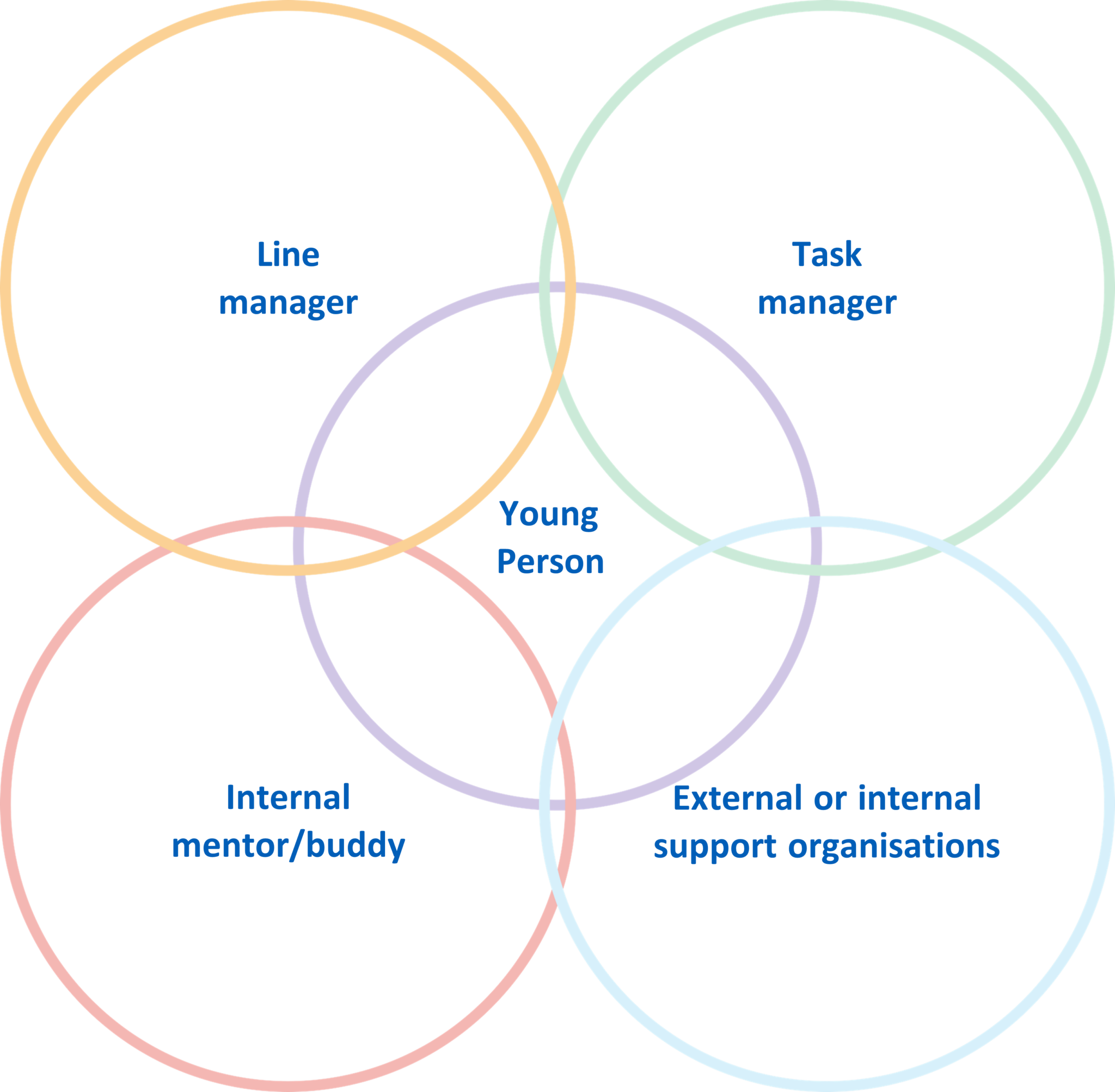
In NHS Birmingham and Solihull ICB, where James found his footing, they’ve created a consistent support system with representatives who can offer support, advice, and guidance on wellbeing, HR matters, recruitment, and inclusivity efforts.
The conventional NHS recruitment process—rigid and potentially intimidating—has been carefully modified. Job advertisements now emphasize character attributes rather than long lists of credentials. Application procedures have been redesigned to consider the particular difficulties care leavers might face—from lacking professional references to facing barriers to internet access.
Maybe most importantly, the Programme acknowledges that starting a job can create specific difficulties for care leavers who may be navigating autonomy without the backup of family resources. Issues like travel expenses, proper ID, and bank accounts—taken for granted by many—can become major obstacles.
The brilliance of the Programme lies in its thorough planning—from outlining compensation information to helping with commuting costs until that critical first wage disbursement. Even apparently small matters like rest periods and professional behavior are thoughtfully covered.
For James, whose NHS journey has “transformed” his life, the Programme delivered more than employment. It offered him a perception of inclusion—that intangible quality that emerges when someone is appreciated not despite their background but because their unique life experiences improves the institution.
“Working for the NHS isn’t just about doctors and nurses,” James notes, his expression revealing the modest fulfillment of someone who has secured his position. “It’s about a collective of different jobs and roles, a team of people who truly matter.”
The NHS Universal Family Programme represents more than an job scheme. It exists as a powerful statement that systems can change to welcome those who have navigated different paths. In doing so, they not only change personal trajectories but improve their services through the distinct viewpoints that care leavers bring to the table.
As James moves through the hospital, his involvement subtly proves that with the right assistance, care leavers can flourish in environments once considered beyond reach. The arm that the NHS has extended through this Programme signifies not charity but recognition of untapped potential and the fundamental reality that everyone deserves a support system that champions their success.